
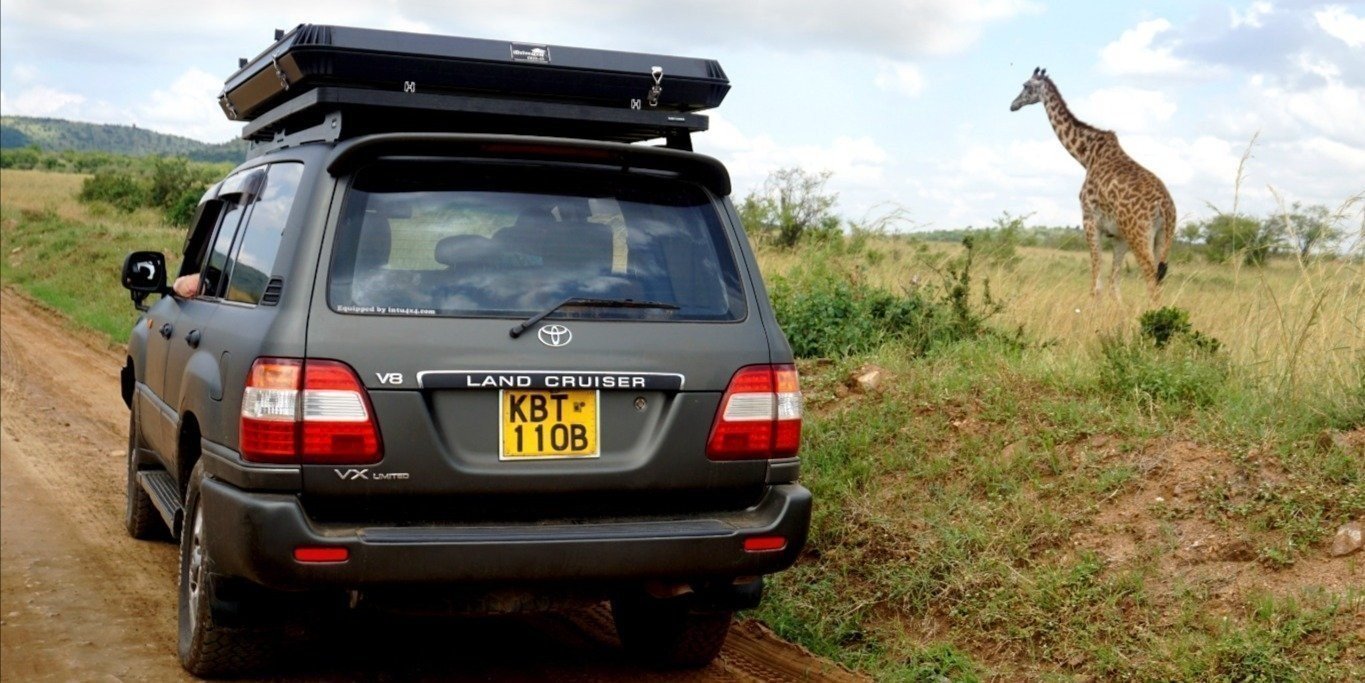
Best Self Drive Routes in East Africa: Uganda, Kenya, Rwanda, Tanzania & Zanzibar
East Africa is well suited to road travel, with many adventurous self-drive routes. In a few weeks, you can drive from Rwanda’s volcanic highlands to Uganda’s rainforest parks, then through Kenya’s savannah reserves, and finish in the wildlife plains of northern Tanzania. You can also choose a shorter route in one country rather than attempting the entire region in one trip. The best thing about self driving around East Africa is that you get to experience these destinations as part of a bigger picture. You’ll see changes in vegetation, local communities, farming areas and geography through these recommended self drive routes in East Africa
The best self drive routes in East Africa depend on what you want to see, how much time you have and how comfortable you are with long-distance driving. Each country has its own personality behind the wheel. Rwanda is tidy and well signposted, and the roads are some of the best on the continent. Uganda is green, hilly and full of variety, from chimpanzee forests to the Nile crashing through a gap barely seven metres wide. Kenya offers established safari circuits, accessible lakes and famous wildlife reserves. Lastly, Tanzania has extensive wildlife areas and the Zanzibar with thebest coastal trips, but the distances between these national parks can be considerable.
Car Rentals 4×4 offers independent self drive road trips in East Africa using suitable 4×4 rental vehicles. Whether you are planning a week of self driving in Kenya, a gorilla and wildlife trip in Uganda and Rwanda, or a longer East African overland tour, the 4×4 car rental, route and cross-border arrangements need to be planned together.
This guide to the best self drive routes in East Africa compares the main routes in Uganda, Kenya, Rwanda and Tanzania.Also, it covers suggested itineraries, road conditions, border documents, fuel planning, vehicle choice and the practical details to check before setting off for your self drive in East Africa.
Best Self Drive Routes in East Africa at a Glance
| East African Country | Recommended Self-Drive Route | Suggested Time | Main Experiences |
|---|---|---|---|
| Rwanda | Kigali – Akagera – Musanze – Lake Kivu – Nyungwe – Kigali | 7-10 days | Big Five wildlife, gorillas, lakes and rainforest |
| Uganda | Kampala – Murchison Falls – Kibale – Queen Elizabeth – Bwindi – Lake Bunyonyi | 10-14 days | Chimpanzees, gorillas, savannah wildlife and the Nile |
| Kenya | Nairobi – Naivasha – Nakuru – Masai Mara – Amboseli – Tsavo – Coast | 10-14 days | Big cats, elephants, Rift Valley lakes and beaches |
| Tanzania | Arusha – Tarangire – Ngorongoro – Serengeti – Lake Manyara – Arusha | 7-10 days | Elephants, crater wildlife and the Great Migration |
| Uganda and Rwanda | Kampala – Bwindi – Volcanoes National Park – Kigali – Lake Kivu | 8-12 days | Gorilla trekking, mountain scenery and cultural experiences |
| Kenya and Tanzania | Nairobi – Amboseli – Arusha – Tarangire – Ngorongoro – Serengeti | 10-14 days | Elephants, the Great Migration and northern safari circuit |
| Four-country overland | Kigali – Uganda – Kenya – Tanzania | 21-30 days or longer | A multi-country self-drive trip through four different East African countries |
The suggested durations are planning guides for these self drive routes in east Africa. Additionally, they include self driving between East Africa destinations but do not replace checking actual driving distances, accommodation locations, park entry times and cross-border requirements.
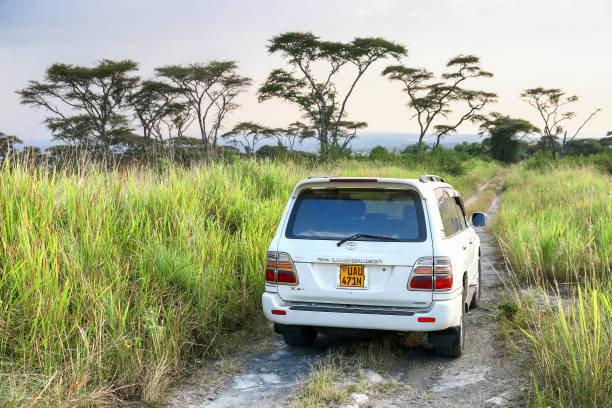
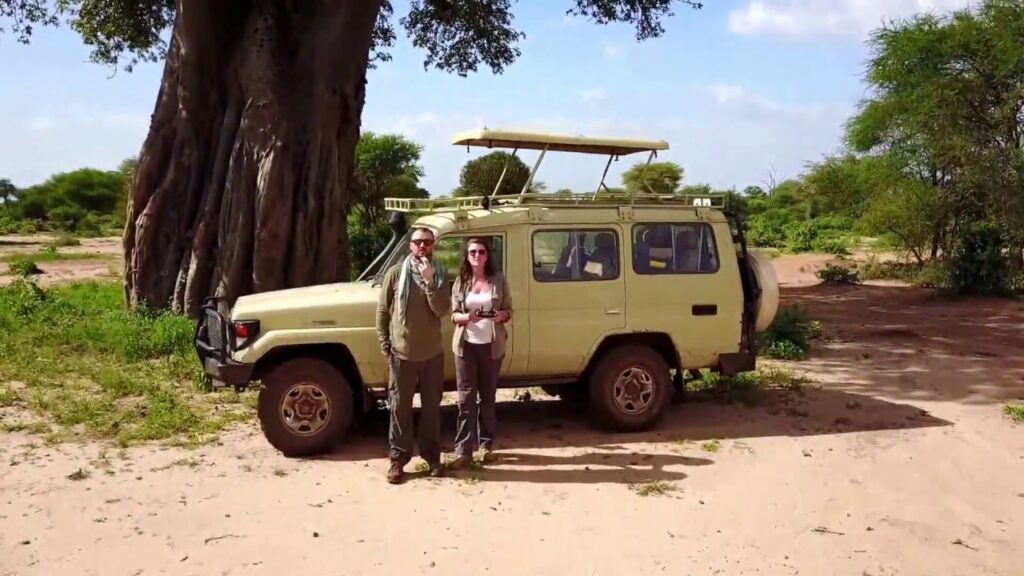

Best Cross-Border Self Drive Routes in East Africa
Kampala to Kigali via Lake Bunyonyi – The Smooth Cross-Border self drive route from Uganda to Rwanda
Suggested self drive duration: 8-12 days
Main attractions to see: Kibale, Queen Elizabeth, Bwindi, gorilla trekking, Volcanoes National Park and Kigali.
This is the easiest and most scenic self drive route in East Africa between Uganda and Rwanda. Starting from Kampala, you drive through Mbarara and Kabale and cross the Gatuna/Katuna border into Rwanda, and on to Kigali, about 510 km and nine to ten hours including the crossing. If you’re coming from the Western Circuit, you can break the journey at Lake Bunyonyi, just outside Kabale, and spend a night on the water before the border.
Two things are worth remembering. First, crossings at Gatuna/Katuna can take hours, especially when trucks queue, so arrive early, keep photocopies of every document, and stay patient and polite. Second, Uganda drives on the left and Rwanda drives on the right. The switch happens at the border, when you’re tired and distracted, so slow down for the first few kilometres and let your passenger help watch for turns and junctions. Once you’re in Rwanda, the road quality improves noticeably.
From Uganda, many travellers do the Western Circuit first, go on to Kigali for gorillas, return to Kampala and then head east into Kenya. A possible self drive route from Uganda to Rwanda is: Kampala → Fort Portal → Kibale → Queen Elizabeth → Ishasha → Bwindi → Katuna or Cyanika border → Musanze → Volcanoes National Park → Kigali.
Self drive route from Uganda to Kenya: Kampala – Jinja – Busia or Malaba – Nairobi
Suggested duration when self driving from Kampala to Nairobi: 2-3 days for the road transfer, longer with sightseeing.
Main attractions to spot: Source of the Nile, Lake Victoria region, western Kenya and Nairobi.
From Kampala in Uganda, self drive through Jinja and Tororo to the Malaba border, then via Eldoret and Nakuru to Nairobi, about 690 km and eleven to thirteen hours. There’s a calmer self drive alternative from Uganda to Kenya that leaves Jinja for Busia, then passes through Kisumu and Nakuru. It’s a bit slower but has fewer trucks and much nicer views of Lake Victoria.
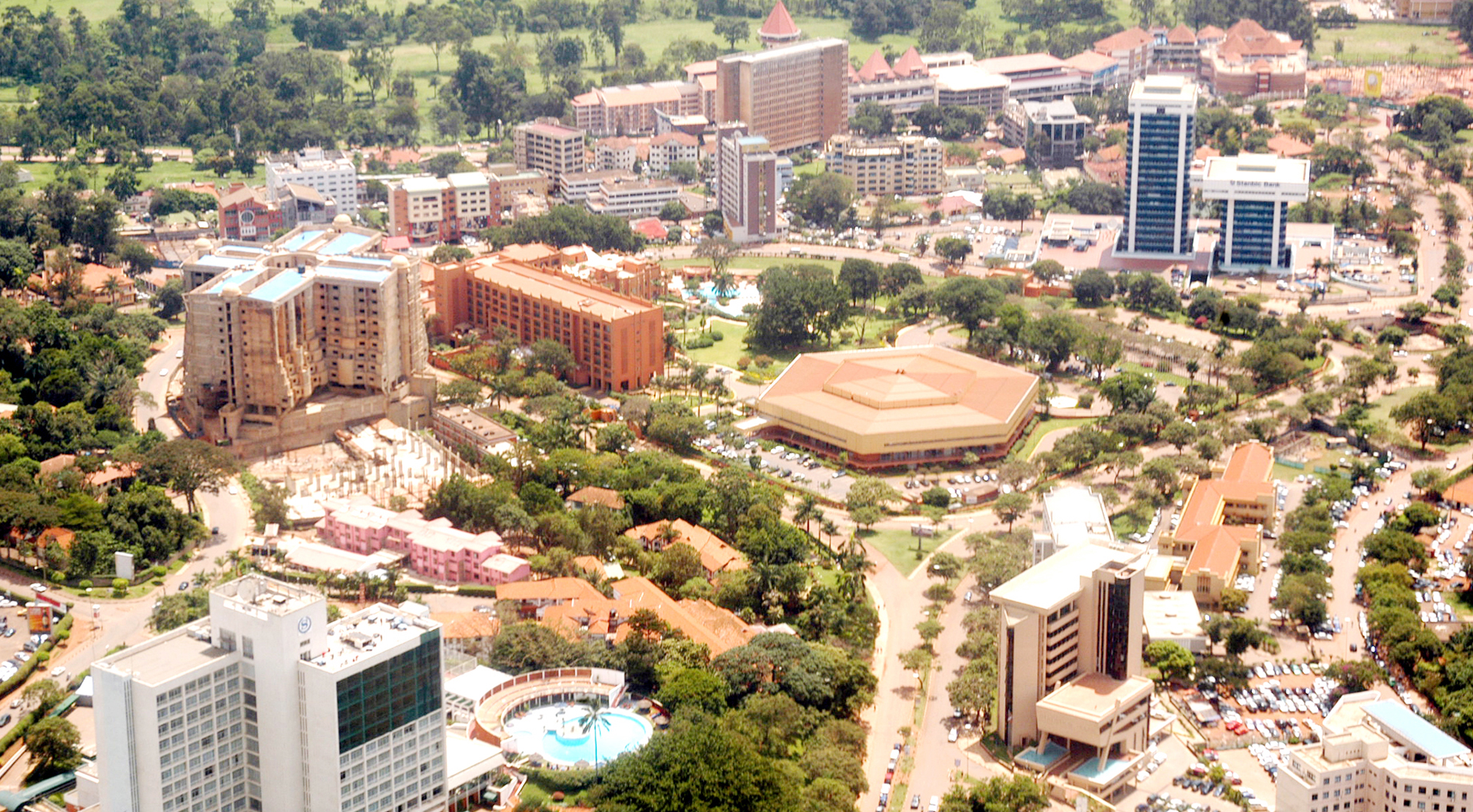
Self drive route from Kenya to Tanzania: Nairobi – Amboseli – Namanga – Arusha
Suggested duration: 3-5 days self drive from Kenya to Tanzania with safari stops.
Main attractions: Amboseli, Mount Kilimanjaro views and Tanzania’s northern safari circuit.
From Nairobi, the Namanga border leads to Arusha, about 275 km and five to six hours. To reach the coast, Arusha to Dar es Salaam via Moshi and Chalinze adds about 640 km. The Isebania–Sirari border is an important crossing for travellers moving between the western Kenya and northern Tanzania areas. The Kenya-Tanzania border crossing does not remove the need to plan park entry separately. The Masai Mara and Serengeti have different authorities, fees, rules and entry arrangements.
Rwanda – Uganda – Kenya – Tanzania: The Four-Country East Africa Overland Route
In total, Kigali to Arusha is about 1,475 km by road, and about 2,100 km if you continue self driving to Dar es Salaam. Your best direction on this African overland safari depends on where you start. From Rwanda, the natural order is Kigali, Kampala, Nairobi, Arusha, which ends you near the Serengeti. From Uganda, many travellers do the Western Circuit first, go on to Kigali for gorillas, return to Kampala and then head east. From Kenya or Tanzania you simply reverse the sequence. Most people fly out of the last city, so check one-way drop-off fees with your rental company, as they can be steep.
Best Self Drive Routes in East Africa per country
1. Best Self Drive Routes in Rwanda
Rwanda is a practical starting point for a first self-drive holiday in East Africa. Kigali connects to the main tourist regions through a network of paved roads, although mountain routes require careful driving. Although Rwanda is regarded as one of the smallest countries in East Africa about covering an estimated 26,000 square kilometres, it is perfect for self-drive safaris most especially for beginners. Additionally, its roads are well surfaced, signs are clear, and the drive from the capital to almost anywhere is under six hours.
Kigali to Volcanoes National Park, Rwanda – See Gorillas in a Day
Suggested duration: 2-3 days
Approximate distance: 110 km one way
Main attractions: Mountain gorilla trekking, golden monkey tracking and the Virunga volcanoes.
The route most people start with is Kigali to Volcanoes National Park near Musanze. It’s roughly 110 km and takes 2-2.5 hours by self drive on a smooth highway that climbs through farmland towards the Virunga volcanoes, home of mountain gorilla trekking in Rwanda. There are only about 1,000 mountain gorillas left in the world, split between Rwanda, Uganda and DR Congo. So seeing a family up close on your self drive in Rwanda from Kigali to Volcanoes is something you’ll remember for life. Many visitors also add golden monkey tracking and a hike to Dian Fossey’s old research camp as part of this self drive route in Rwanda.
Can you really self drive from Kigali to Volcanoes in a day? Yes, if you leave Kigali very early, trek, and drive back. But trek briefings start early in the morning and a tired drive back is not ideal, so most people sleep near Musanze the night before.


Kigali to Lake Kivu via Rubavu self drive route
Suggested self drive duration: 2 days
Approximate distance: About 155 km from Kigali to Rubavu
Main attractions: Lake views, lakeside towns, boat excursions and relaxation.
From Musanze, most drivers swing west to Lake Kivu at Rubavu, a town also known as Gisenyi, about 155 km from Kigali. This route is along the lake is slow and twisty, but it’s beautiful, characterised by terraced hills, fishing villages, tea plantations and glimpses of the water on almost every bend. Lake Kivu is one of Africa’s Great Lakes and is safe for swimming, which comes as a welcome change after driving on dusty tracks.
From there, the Kivu Belt road runs south to Nyungwe National Park, about 225 km from Kigali. Allow five to six hours because the road winds through tea country and thick montane forest. Nyungwe is one of the oldest rainforests in Africa and holds around 13 primate species, including chimpanzees. The canopy walkway, suspended about 50 metres above the forest floor, is the highlight for most people.
Driving advice: The roads on this Rwanda self drive route from Kigali to Rubavu are winding in places. Allow more time than the distance alone suggests, especially if you plan to stop for photographs.
Kigali to Akagera National Park
In the east, Akagera National Park is about 120 km from Kigali, around two and a half hours’ drive. It’s Rwanda’s only savannah park and has seen a remarkable comeback. Lions were reintroduced in 2015 and black rhinos returned in 2017, so it’s now a Big Five park. It’s an easy self-drive add-on, with a good network of tracks and a boat trip on Lake Ihema.
Rwanda’s Recommended Self Drive Circuit
Kigali → Akagera National Park → Kigali → Musanze → Lake Kivu → Nyungwe Forest → Kigali
The best Rwandan loop is Kigali, Musanze, Rubavu, Nyungwe, Huye and back to Kigali, about 650 km over five to seven days. It combines gorillas, a great lake and chimpanzees without a single hard road. A good example of how to split it: day one Kigali to Musanze, day two gorilla trekking, day three to Rubavu, day four along the lake to Nyungwe, day five canopy walk and a slow drive to Huye, and day six back to Kigali. If you add Akagera, give it two extra days.
2. Best Self Drive Routes in Uganda
Uganda is where self-drivers in East Africa tend to fall hardest for the scenery as this country is popular for its green verdant rolling hills but that’s just the tip of the iceberg as its parks have a high wildlife biodiversity. A self drive trip in Uganda can begin in busy Kampala and continue through tea-growing areas, crater lakes, rainforest, savannah and the highlands in the southwest.
Kampala to Murchison Falls National Park
Suggested Uganda self drive duration: 3 days
Approximate distance: Around 300 km to the main Murchison Falls Park area from Kampala, depending on the gate and accommodation.
Main attractions: Murchison Falls, Nile boat cruise, elephants, giraffes, lions and buffaloes.
To the north, Murchison Falls National Park is about 300 km from Kampala and is a five to six hours’ drive. It’s Uganda’s largest park at roughly 3,900 square kilometres. At the falls, the Nile squeezes through a gap about seven metres wide and plunges around 43 metres, and the noise carries a long way. A boat trip to the base, plus game drives through self drive that regularly turn up giraffes, elephants, lions and buffalo, makes this an easy three-day add-on.
Self driving advice: Confirm which gate of the park is appropriate for your lodge. The river crossing arrangements and distances within the park can affect your daily schedule.
Kampala to Kibale Forest National Park
Suggested duration: 2-3 days
Approximate distance of Kibale from Kampala: Around 300 km away on a self drive in Uganda from Kampala
Main things do do on a Uganda self drive: Chimpanzee tracking, crater lakes and Fort Portal scenery.
This 300km route is most popular among self drive and safari lovers in Uganda from Kampala to Fort Portal and Kibale National Park and takes around five hours. Kibale has one of the highest concentrations of primates in Africa, with more than 1,500 chimpanzees, and tracking them is the main draw. The crater lakes around Fort Portal are a bonus, and the tea estates on the way make for lovely driving.
Kibale to Queen Elizabeth National Park, Bwindi and Kidepo
From there, the road continues south to Queen Elizabeth National Park, roughly 400 km from Kampala. This park is about 1,980 square kilometres of savannah, wetlands and crater lakes. The Kazinga Channel boat trip is a must, with hippos packed along the banks and elephants coming down to drink. In the southern Ishasha sector you’ll find the famous tree-climbing lions, which lounge in fig trees during the heat of the day. The tracks here can be rough, especially after rain, so a 4×4 is the sensible choice.
Bwindi Impenetrable National Park is roughly 100 km further on from Ishasha and takes about two and a half to three hours. It holds around half of the world’s mountain gorillas, with an estimated 459 in the last full survey. The roads into Bwindi are steep, narrow and often muddy, so go slowly and don’t be too proud to ask a local for the best line. From Bwindi it’s another 100 km or so to Lake Bunyonyi near Kabale, a calm, scenic lake dotted with islands where you can canoe and rest your legs after the trek.
For the adventurous, the Northern region of the Kidepo Valley National Park sits about 700 km from Kampala, an eleven-to-twelve-hour drive. It’s remote, dry, and wonderfully empty, with few other vehicles. It’s better for experienced drivers with a 4×4, a spare tyre and extra fuel.
Jinja to Sipi Falls via Mount Elgon – Adventure & Waterfalls
Jinja, a short drive east of Kampala, is where the Nile leaves Lake Victoria, and it’s the heart of Uganda’s adventure scene. From there the self drive route heads east through Tororo and Mbale, roughly 200 km and four to five hours in all, though it’s worth checking locally, and climbs onto the slopes of Mount Elgon, an ancient volcano that straddles the border with Kenya.
The real prize is Sipi Falls, three waterfalls tumbling down the mountainside among coffee farms and viewpoints. Local guides walk you between the falls and through the coffee plantations, and the cooler air is a relief after the lowlands. If you want more, Mount Elgon National Park has hiking and caves higher up.
Uganda’s Recommended Western Self Drive Circuit
Kampala → Fort Portal → Kibale Forest → Queen Elizabeth → Ishasha → Bwindi → Lake Bunyonyi → Kampala
Allow approximately 10-14 days for this self drive route in Uganda, depending on the number of nights spent at each park and whether you include additional destinations. For a longer Self drive Uganda trip, add Murchison Falls in the north or Kidepo Valley if you have sufficient time.

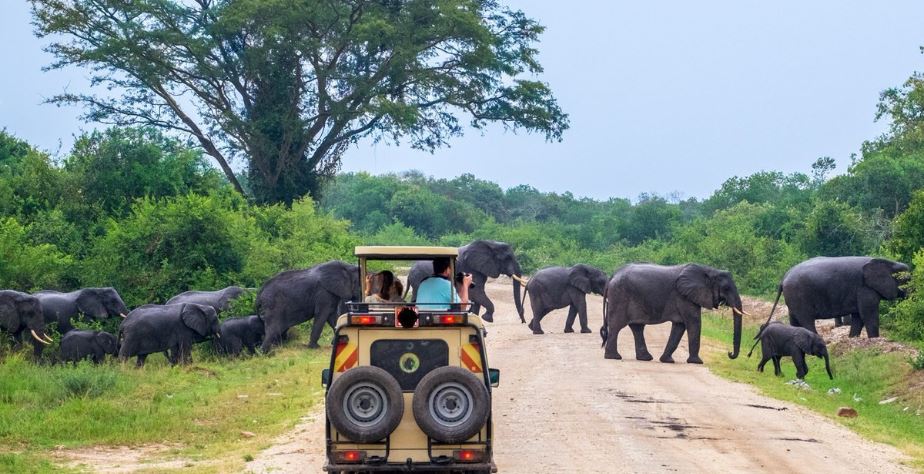
3. Best Self Drive Routes in Kenya
Kenya offers several established safari routes that can be combined into a longer self drive trip. Nairobi is the main starting point for most visitors on self drive safaris in Kenya, with routes leading towards the Rift Valley, northern Kenya, the Masai Mara, Amboseli and the coast.
Self drive route from Nairobi to Lake Naivasha, Hell’s Gate then Nakuru
Suggested self drive safari duration: 2 days
Approximate distance: About 90 km from Nairobi to Naivasha.
Main attractions: Great Rift Valley viewpoints, Lake Naivasha, Hell’s Gate and outdoor activities.
Most Kenya self drive trips begin in Nairobi, the main access hub, so head north-west to Lake Naivasha and Hell’s Gate National Park, about 90 km away. Hell’s Gate is small at around 68 square kilometres, but it’s one of the few parks in Kenya where you can walk and cycle among zebras, giraffes and buffalo, with no lions to worry about. Next is a self drive trip to Lake Nakuru National Park, about 160 km from Nairobi. It’s a compact park, around 188 square kilometres, which is why you can see so much in one day, including both black and white rhinos.
Nairobi to Maasai Mara via Great Rift Valley, Kenya – Safari Highway
Kenya has the most established self-drive scene in the region, with the added advantage of lots of rental companies, lots of campsites and lodges, and most park roads signed and mapped. Most trips begin in the main access hub, Nairobi, and head north-west across the Great Rift Valley, where the land drops away in one of the great viewpoints of the continent, towards Lake Naivasha and Hell’s Gate National Park, about 90 km away.
Hell’s Gate is small at around 68 square kilometres, but it’s one of the few parks in Kenya where you can walk and cycle among zebras, giraffes and buffalo, with no lions to worry about. Next is Lake Nakuru National Park, about 160 km from Nairobi. It’s a compact park, around 188 square kilometres, which is why you can see so much in one day, including both black and white rhinos.
The Maasai Mara, on the other hand, is the crown jewel for most self-drives in Kenya, about 270 km from Nairobi and five to six hours’ drive. The reserve covers about 1,500 square kilometres, and between roughly July and October more than 1.5 million wildebeest cross over from Tanzania’s Serengeti, braving the Mara River and its crocodiles. Even outside migration season the big cat sightings are superb. The last 80 km or so into the Mara are rough, so a 4×4 is strongly advised, and be prepared for slow progress.
For something quieter and wilder, Samburu National Park, around 340 km north of Nairobi, has species you rarely see elsewhere, such as the reticulated giraffe, Grevy’s zebra and gerenuk. If you’re short of time, a four-day Kenya self drive safari in Naivasha, Nakuru and Masai Mara works well.

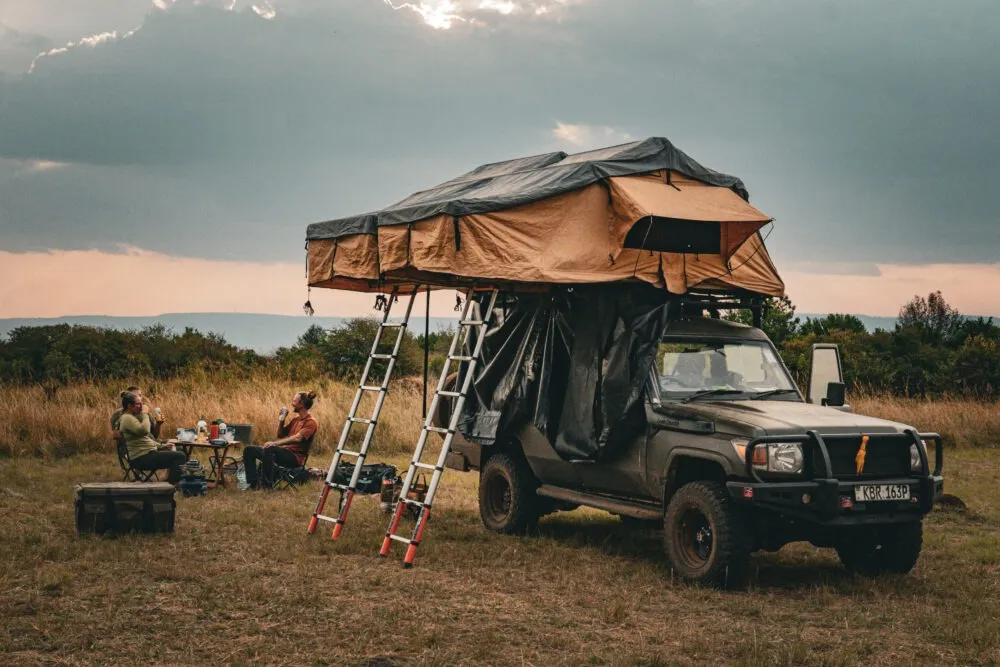
Nairobi to Diani Beach via Tsavo – From City to Coast
This is the classic Kenyan finish: start from Nairobi in the capital, cross the dry plains of Tsavo and end with your feet in the Indian Ocean. Plenty of people break the trip with a night or two in the parks instead of rushing it. From the Masai Mara, most people self drive back through Nairobi, Kenya and south-east to Amboseli National Park, about 240 km away, for big herds of elephants against Mount Kilimanjaro, which rises to 5,895 metres. Tsavo East and Tsavo West follow. Together, they cover more than 20,000 square kilometres, making this one of the largest protected areas in the world.
The elephants here are often stained red from the volcanic soil. Fill up before you enter, and don’t underestimate how far a park detour eats into your tank. The final leg of tis self drive Kenya route runs down to Mombasa on the coast, about 480 km from Nairobi and seven to eight hours’ drive, where you can finish on the beach. To reach Diani Beach you carry on roughly 30 km south of Mombasa, which is worth confirming locally, and you cross either on the Likoni ferry or by the newer bypass, so ask which is quicker on the day. Diani is a long stretch of white sand and a lovely place to hand back the car, rinse off the dust and finally relax.
The classic Kenya loop covers Nairobi, Naivasha, Nakuru, the Maasai Mara, Amboseli, Tsavo and Mombasa over seven to ten days. It gives you lakes, big cats, elephants under Kilimanjaro and a beach finish.
Nairobi to Lake Turkana – The Remote Desert Self drive route in Kenya
Lake Turkana, the largest permanent desert lake in the world, sits in Kenya’s far north, and the self drive safari there is the whole point. You leave the green highlands behind and drive through ever drier, more volcanic country, past Samburu and Maralal, into a black lava landscape, wind and heat. This East African self drive route is roughly 700 km or more each way, so check the distance locally, and three to four days each way is realistic. Many travellers call it the most memorable drive of their whole trip.
This Kenya self drive route is not a road for beginners. Parts of it are rough, sandy or corrugated, towns are far apart and fuel is scarce. Take a proper 4×4 rental in Kenya with high clearance, two spare tyres, a recovery kit, extra fuel, plenty of water and food, and a satellite communicator if you can. Many experienced drivers in Kenya using this route go with a second vehicle for safety. Check the current security situation and road conditions with locals, lodges or Kenya Wildlife Service before you leave. Also, don’t attempt it in the rainy season, when tracks and dry riverbeds flood.
Best Self Drive Routes in Tanzania
Tanzania’s main self-drive safari routes cover large distances, particularly in the northern circuit. Arusha is the usual starting point and our common 4×4 Tanzania car rental collection point for travellers visiting Tarangire, Lake Manyara, Ngorongoro and Serengeti.
Arusha to Serengeti & Ngorongoro Crater, Tanzania – The Big Migration Self drive Route in Tanzania
The Northern Circuit self drive route in Tanzania starts from Arusha , the one most people picture when they think of an African safari. Tarangire National Park is about 120 km from Arusha and is known for huge elephant herds and giant baobab trees, some over a thousand years old. Lake Manyara National Park, also about 120 km away, is smaller at around 330 square kilometres, with the lake taking up a large share of it. It’s famous for flamingos, hippos and tree-climbing lions. From there, the self drive safari covers about 180 km, roughly three and a half hours from Arusha, to the Ngorongoro Crater.
The crater floor is around 260 square kilometres and 600 metres deep, and it holds an estimated 25,000 large animals, which is why sightings here are so reliable. Check the current rules before you go, as some areas of the Ngorongoro Conservation Area require a ranger or local guide, and the vehicle fees are high. The Serengeti is the finale, about 325 km and seven to eight hours from Arusha to Seronera. It covers around 14,750 square kilometres of open plains, and it’s where the Great Wildebeest Migration spends most of its year. Expect long, corrugated drives and a lot of dust, but also lions on kopjes, cheetahs on the plains and endless sky.
The Northern Circuit of Arusha, Tarangire, Manyara, Ngorongoro and Serengeti works well over seven to ten days. Take your Northern circuit self drive in Tanzania slowly. Also, the dirt roads inside the parks are corrugated and tiring, and you’ll average far less than you expect.
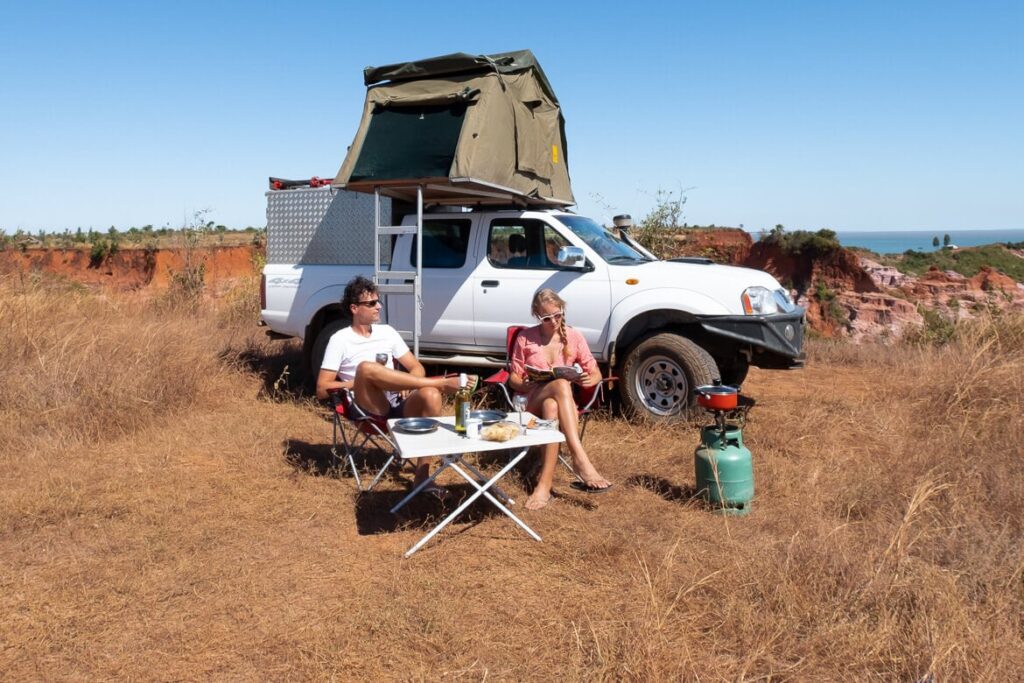
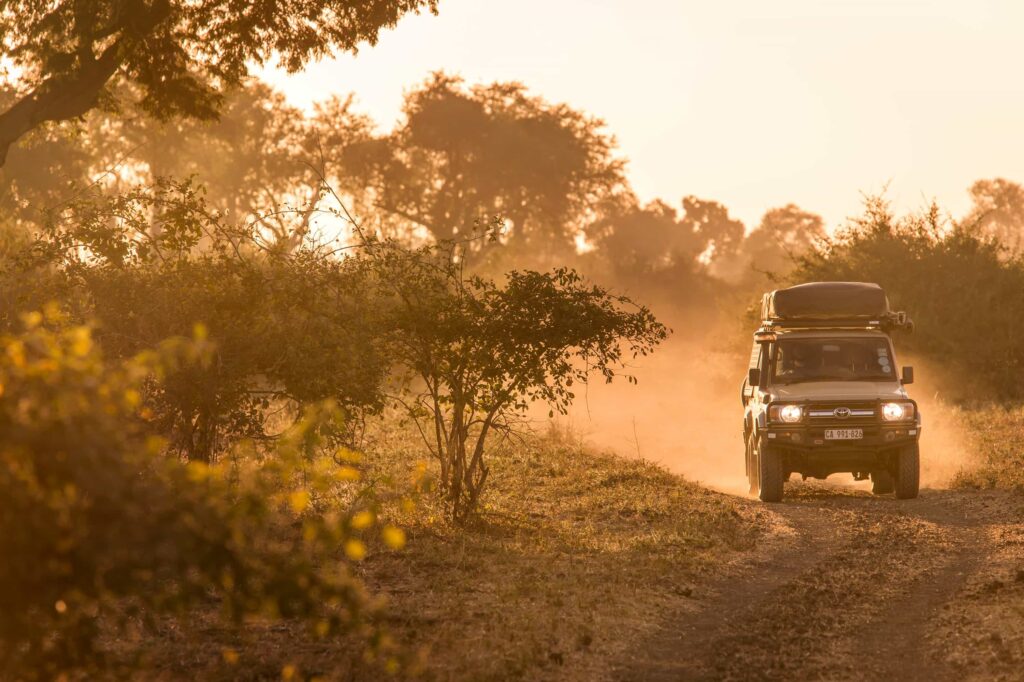
Self drive route from Dar es Salaam to Zanzibar Ferry + Southern Circuit – Beach & Bush
In the south, the road from Dar es Salaam to Mikumi National Park is about 300 km and four hours on a good surface. Mikumi covers roughly 3,200 square kilometres and is the easiest park to reach from the coast. If you want to self drive in Tanzania somewhere quieter, continue through Iringa to Ruaha National Park, about 500 km from Dar and eight to nine hours’ drive. Ruaha is remote and uncrowded, with big lion prides and impressive numbers of elephants and kudu. The southern circuit self drive trip of Dar, Mikumi, Iringa and Ruaha needs five to seven days.
When you’re done with the bush, drive back to Dar es Salaam and take the ferry across to Zanzibar for the beach. Fast passenger ferries run from Dar, but most rental cars aren’t allowed on the islands, so plan to leave your vehicle in secure parking in Dar and travel as a foot passenger. Check this with Car Rentals 4×4 before you book, and buy ferry tickets ahead in peak season.
Self drive route from Moshi to Kilimanjaro Base via Coffee Farms in Tanzania – Scenic Short Drive
Not every route has to be an expedition. The foothills around Moshi are green, fertile and densely farmed, and the roads wind through banana groves and Chagga coffee farms, past waterfalls and villages. Stop at a farm during your self drive in Tanzania for a tour and a fresh cup of coffee, and on a clear morning you’ll catch views of Kilimanjaro. The self drive safari from Moshi to the park gates is short, usually under 50 km, though it’s worth checking locally, and it makes an easy half-day or full-day outing.
You can drive right up to the park gates and explore the lower slopes. Climbing the mountain itself needs a registered guide and park permits, so think of this as a drive and a day hike rather than a summit attempt. It’s an easy add-on at the end of the Northern Circuit, since Moshi sits on the road between Arusha and Dar es Salaam.
Tanzania’s Recommended Northern Self-Drive Circuit
Arusha → Tarangire → Lake Manyara → Ngorongoro → Serengeti → Arusha
Allow 7-10 days for a well-paced northern circuit self drive safari in Tanzania. Add more time if you want to explore northern Serengeti, Ndutu or additional areas of the park.
The best car rentals for self drive safaris in East Africa
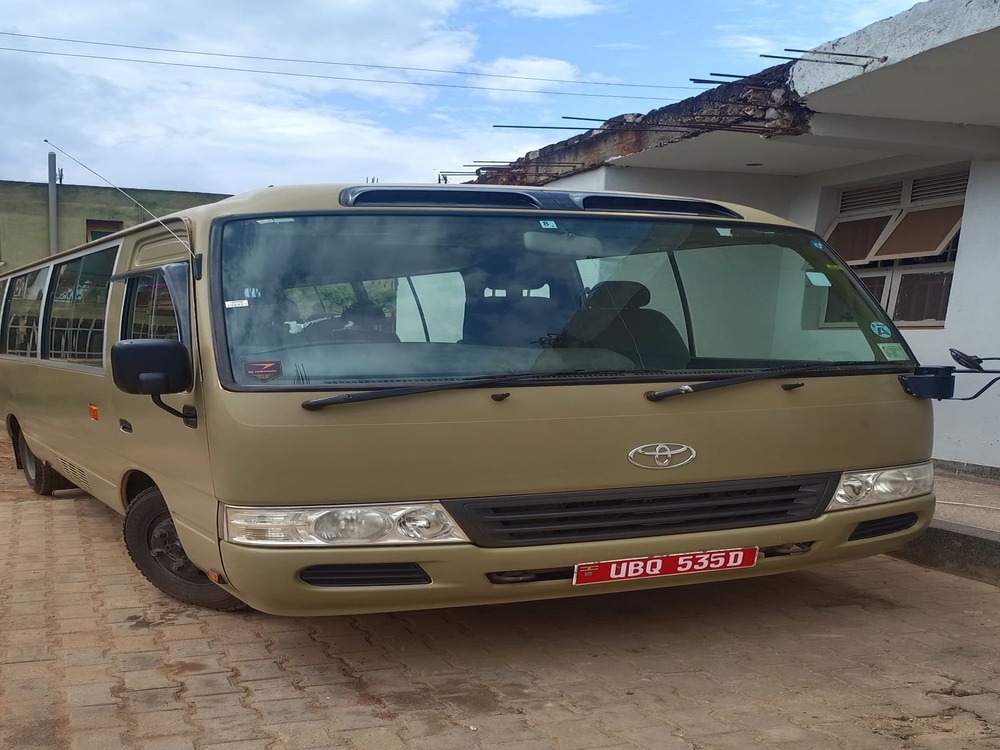
21 Seater Toyota Coaster for Large groups from $150
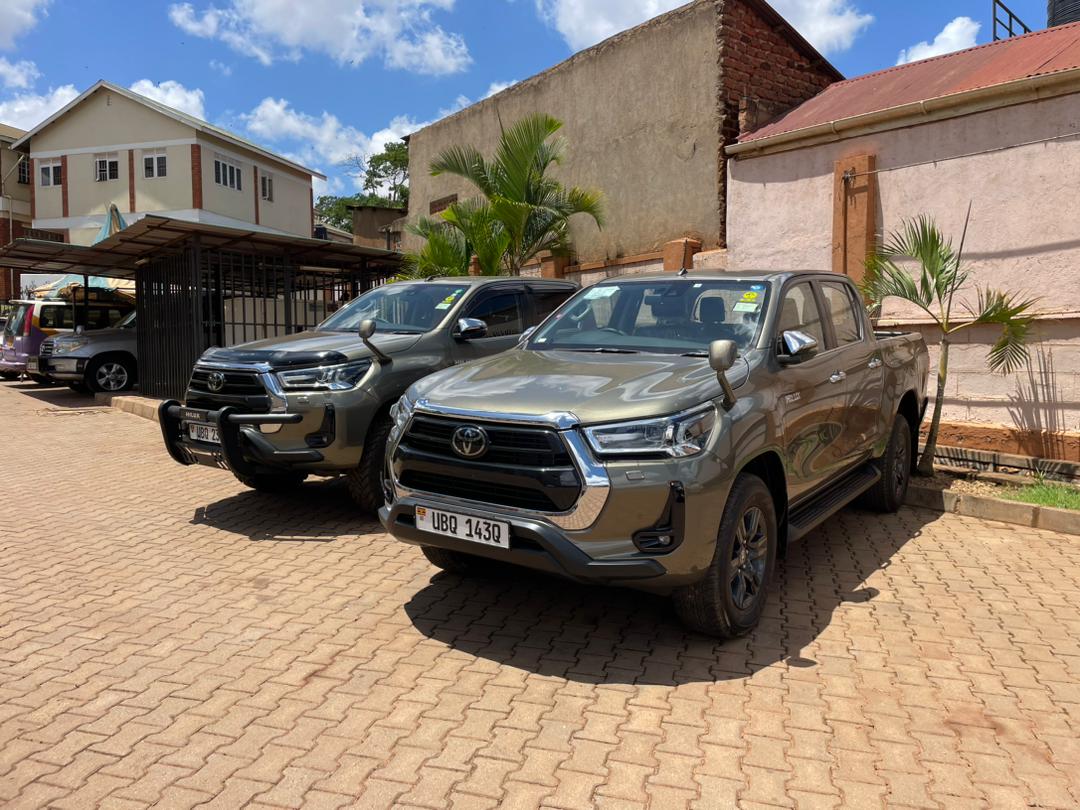
Toyota Hilux from $150 per day)
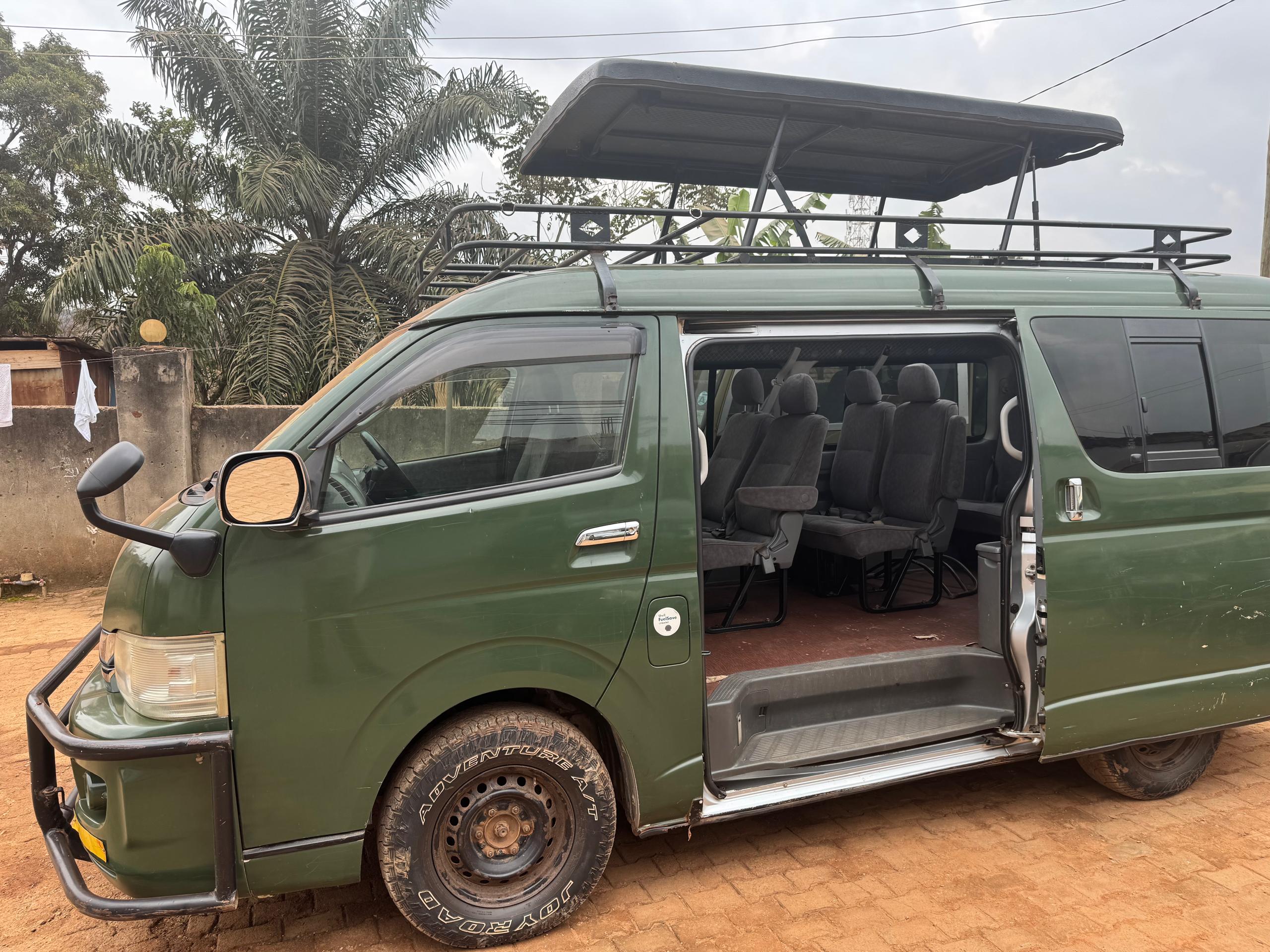
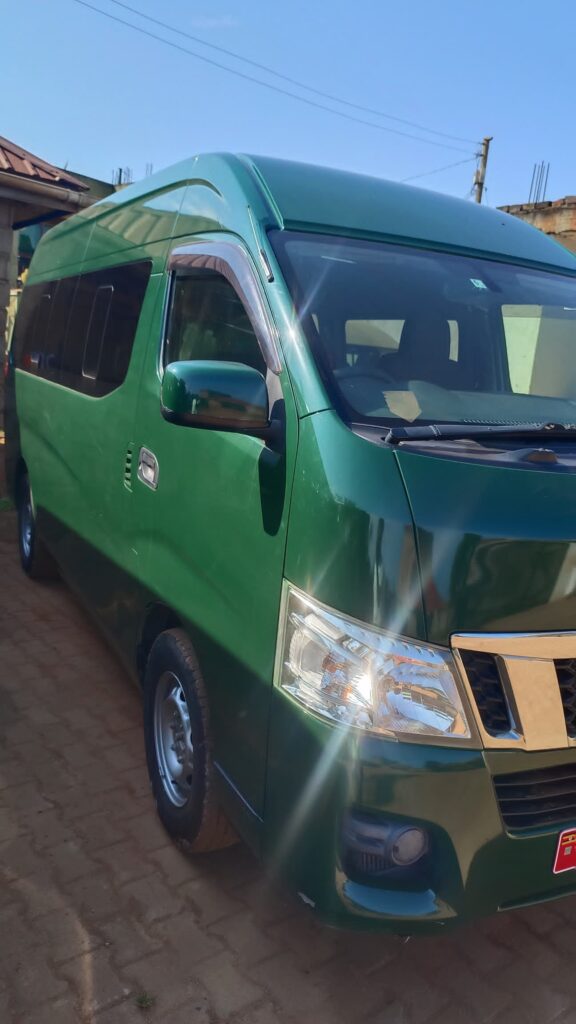
Hiace Van (Pop-up Roof) fit for Small groups from $80
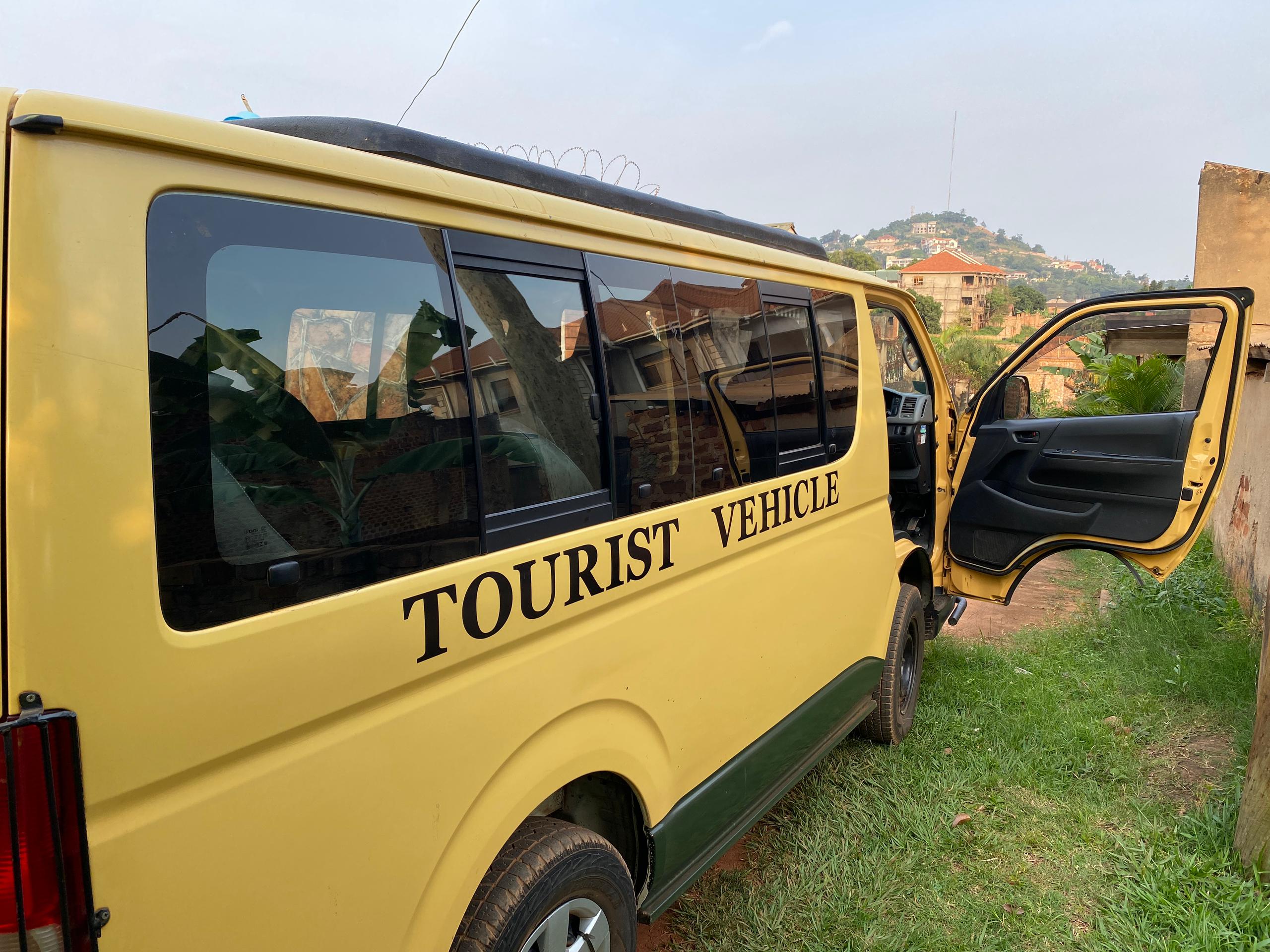
Cheap Van rental in East Africa from $80
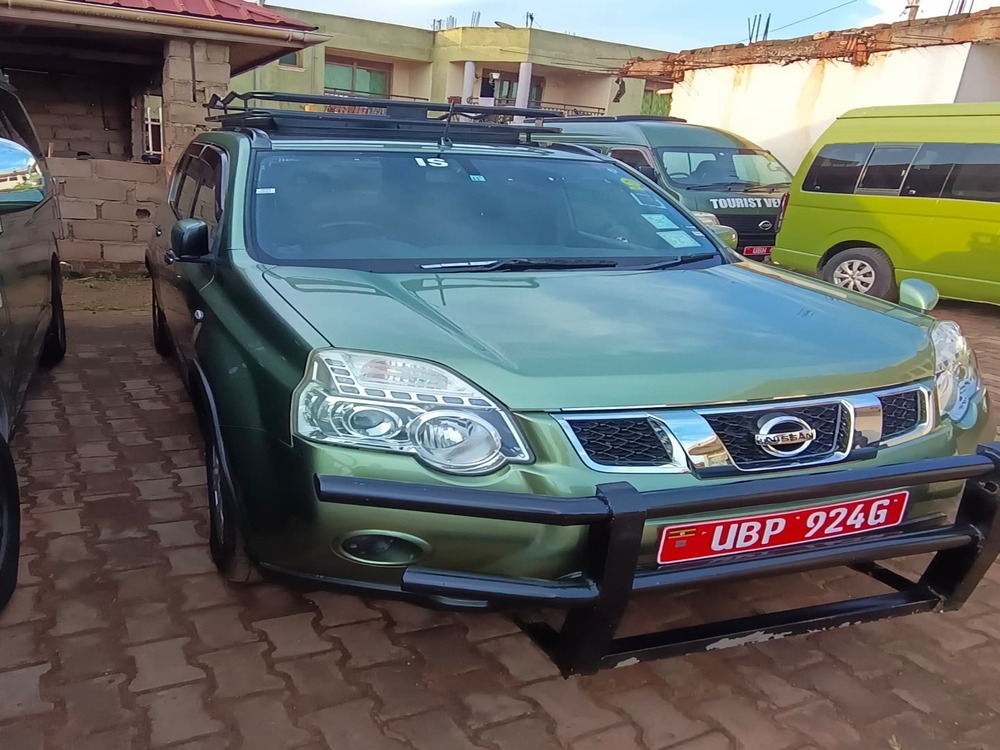
Nissan X-Trail – Budget rental from $35
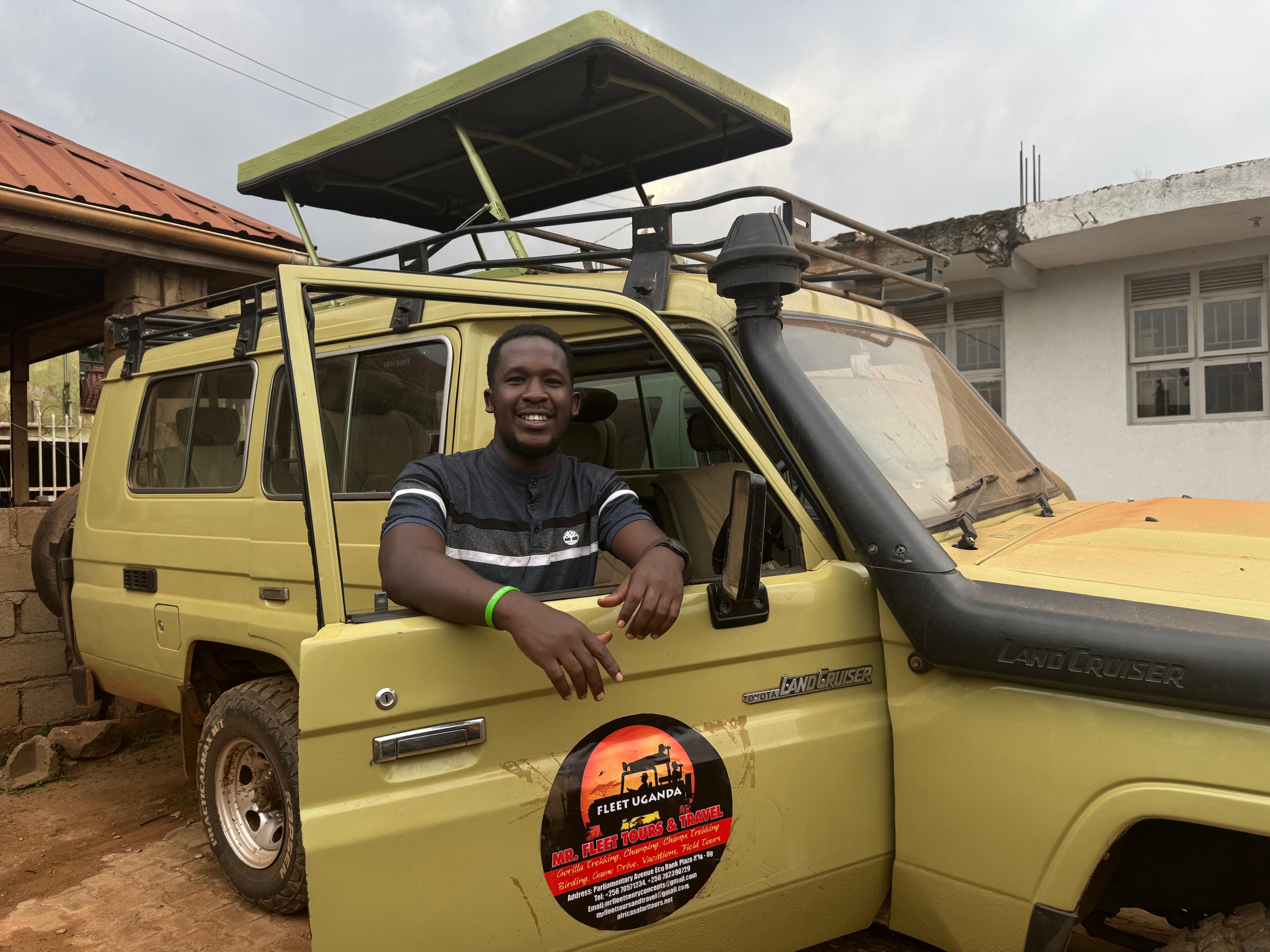
Land Cruiser Extended from $135
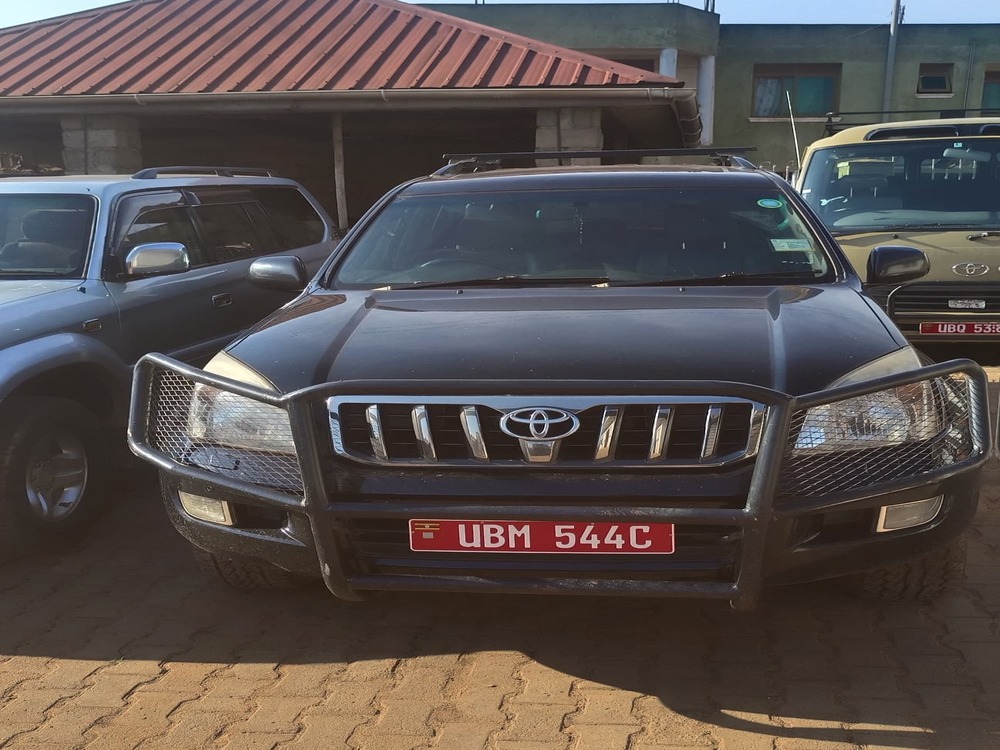
Land Cruiser- Most popular choice from $75 per day
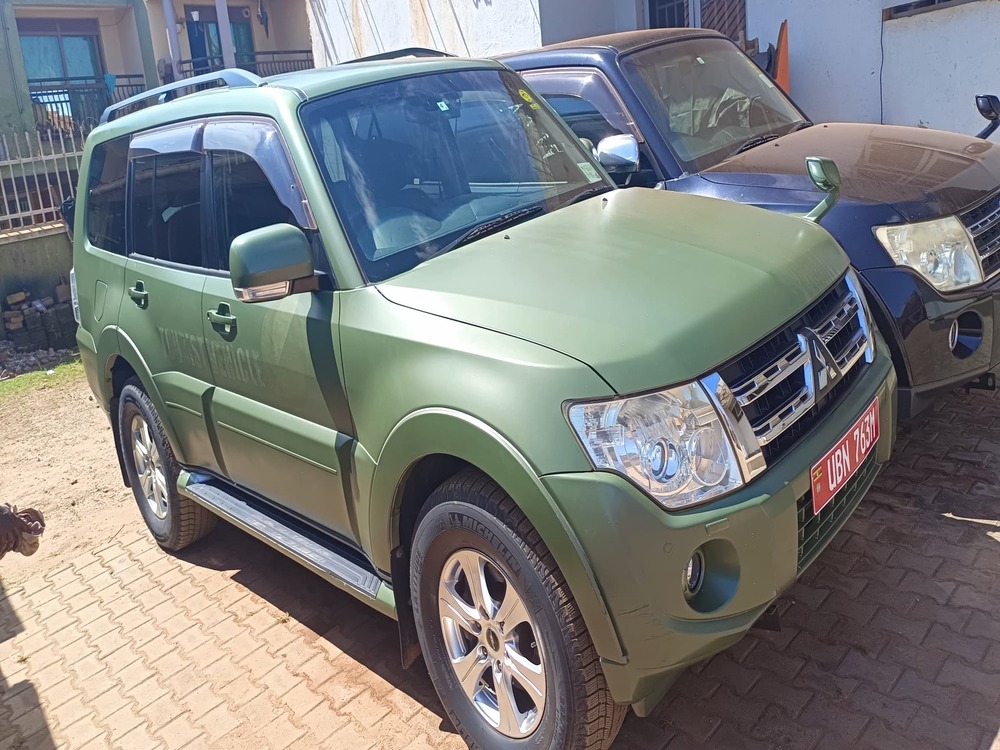
Hire a Pajero for light safaris. from $75 per day
FUEL, OIL & SERVICE STOPS TO KNOW ALONG SELF DRIVE ROUTES IN EAST AFRICA
It is always important to think about your fuel plan for long distance travel especially true if you are travelling to remote National Parks in East Africa. Whilst there are fuel stops along major roads, this can become unpredictable in some remote areas. Think about how much distance there is between regular service stops. For example, whilst there are good fuel stops along the route from Kampala to Jinja, there can be larger distances between major fuel stops along the route to Kidepo Valley.
Additionally, this also applies to Northern Kenya and some areas of Tanzania. If you’re travelling to self drive to Lake Turkana or remote areas of the Serengeti, plan. Calculate how much fuel you’ll need based on how your vehicle will perform. The amount of fuel your car uses will depend on the size of the engine, how fast you’re driving, how many passengers, how much luggage you’re carrying, the terrain and road quality. For example, if you drive 10L/100km your car will use around 100L for a 1000km journey. However, if you’re driving on rough roads or carrying lots of weight this could be more.
Secondly, ou should also think about your oil. Long distance self driving especially East Africa overland tours can put pressure on your engine. If you’re driving in dusty areas, upsteep hills or on rough roads then this can also put pressure on your engine. Check what the manufacturers say about service intervals. Ensure that your car has enough service cover for your journey. Major towns like Kampala, Jinja, Mbarara, Gulu, Nairobi, Arusha, Moshi & Kigali can be great places to get your car serviced.
However, ensure you know where you can get service done before your self drive in East Africa. Don’t leave it until you get to a remote location. Having a well-serviced car can help you feel more confident when driving, improve your fuel efficiency and enable you to enjoy longer journeys.
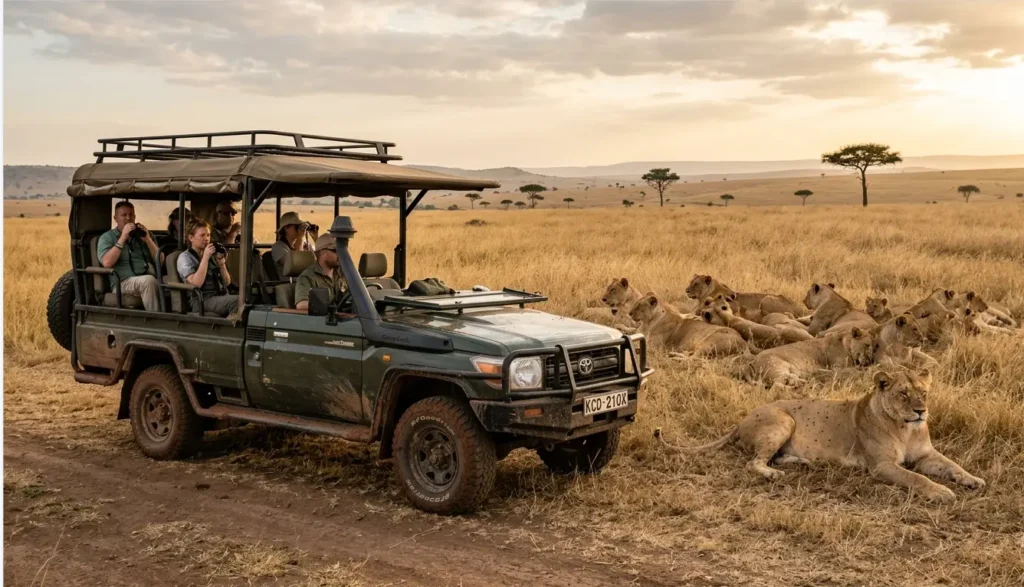
Documents needed for a self drive in East Africa and why?
- Passport and visas. Your passport should be valid for at least six months with blank pages. The East Africa Tourist Visa has covered Kenya, Uganda and Rwanda for around US$100. However,, entry rules, including Kenya’s electronic travel authorisation, have been changing, so check each country’s official immigration site before you travel. Tanzania has always been separate. You need the right authorisation at each border, and there’s no talking your way through without it.
- Driving licence. Carry your national licence and an International Driving Permit. The permit isn’t always asked for, but it removes arguments at roadblocks and many insurers expect it.
- Vehicle papers. You need the logbook or registration and, for a rental, a letter of authority from the owner. Many rental companies forbid cross-border driving, so get written permission before you book. Without it, you could be turned back at the border, or your insurance could be void after an accident.
- Cross-border insurance. Kenya, Uganda and Rwanda are covered by the COMESA Yellow Card scheme, which gives you third-party cover across those borders. Tanzania is outside the scheme, so you normally buy separate Tanzanian cover at the border. Driving without valid cover is illegal, and in a crash you could be personally liable for large costs.
- Temporary import permits. Each country issues a temporary import permit for foreign vehicles, usually at the border. It proves you didn’t bring the car in to sell it. Keep every receipt, because you’ll need them to leave.
- Yellow fever certificate. Some of these countries ask for proof of vaccination, especially if you arrive from an affected country. Carry it even if nobody asks.
Best Time to Self Drive in Each East African Country
Rwanda. June to September and December to February are the best months to self drive in Rwanda. The roads are dry, mountain views are clear and gorilla treks are less muddy. March to May is the heaviest rain, and landslides can block mountain roads.
Uganda. The same windows apply, with June to September the favourite for one to self drive in Uganda. Bwindi is steep and slippery in the rain, and tracks into Ishasha and Buhoma turn to mud. In dry weather, animals gather around water and are far easier to find.
Kenya. July to October is the best time for self drive safaris in Kenya and the headline season because the Great Migration reaches the Maasai Mara. January and February are also dry, with good game viewing in Amboseli and Tsavo. The long rains from March to May make many park tracks difficult, though lodges are cheaper and the parks are quiet.
Tanzania. June to October gives the best conditions on the Northern Circuit route self drive trips in Tanzania, with dry roads and animals clustered near water. From January to March, herds calve on the southern plains near Ndutu, which is spectacular but demands careful driving on wet ground.
Popular Car Rental Options
- Self Drive Kenya:
- Short Term Car Rental Kenya
- Car Rental with a pop roof Kenya
- Cross Border Car Rental East Africa
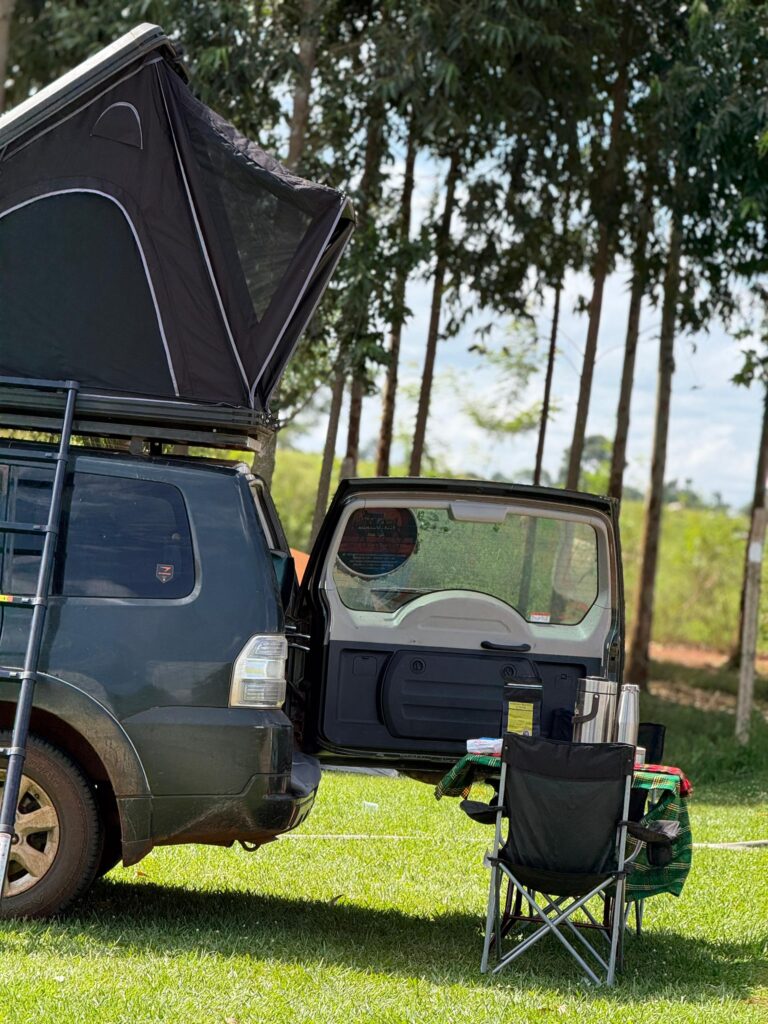
- Kenya Car rental with a rooftop Tent
- Long Term Car Rental Kenya
- Airport Transfers in Kenya
- Car rental with a driver in Kenya
- Kenya Car Rental with Camping gear
- One way Car Rental in Kenya
Our Car Rental Destinations
- Car Rental in Uganda
- Rent a car in Kenya
- Car Rental in Tanzania
- 4×4 Rental in Rwanda
- Car Rental in Zanzibar
Other Useful Links
- Travel Insurance Info
- Guided vs Self drive safaris in Masai Mara
- Mount Meru Self drive safari
- Ultimate Self Drive Guide to Hell’s Gate National Park
- Self drive in Mount Kenya
- Aberdare Self drive Safari
- Samburu Self Drive 4×4 Guide
- Lake Nakuru Self Drive Guide
- Tsavo National Park self drive Guide
- 4×4 self drive in Amboseli
- Self drive in Masai Mara
- Self drive Camping in Masai Mara
- Is camping safe in Kenya
- East Africa Overland Self Drive Tours
- Guide to self driving in Kenya National Parks
- Common self-driving mistakes in Kenya
- Self Driving from Kenya to Tanzania
- Ground vs Rooftop Tents in Kenya
- Land Cruiser Vs Hilux rental in Kenya
- Camping Vs Lodge safaris in Kenya
- Roadside Assistance Information
- Self drive packages in East Africa
- Car Rental Insurance Advice
- Self Drive Requirements in East Africa
- Self Drive Tips in East Africa
- 4×4 self drive routes in East Africa
- Cross Border Car Rental Tips In East Africa
- Self Drive Africa Overland Tours
- Driving Tips for East Africa
- Self drive packages in East Africa
- Car Rental Insurance Advice
- Self Drive Africa Overland Tours
Travel Guides
- Self-Drive Guide to Kenya’s National Parks
- Top 5 Scenic Road Trips in Uganda
- Best Routes for Self-Drive in Tanzania
- Rwanda Gorilla Trekking Guide
- Driving in Zanzibar: What You Need to Know
What You Need Before You Hit the Road for your self drive in East Africa
Car Choice & Engine Oil Check
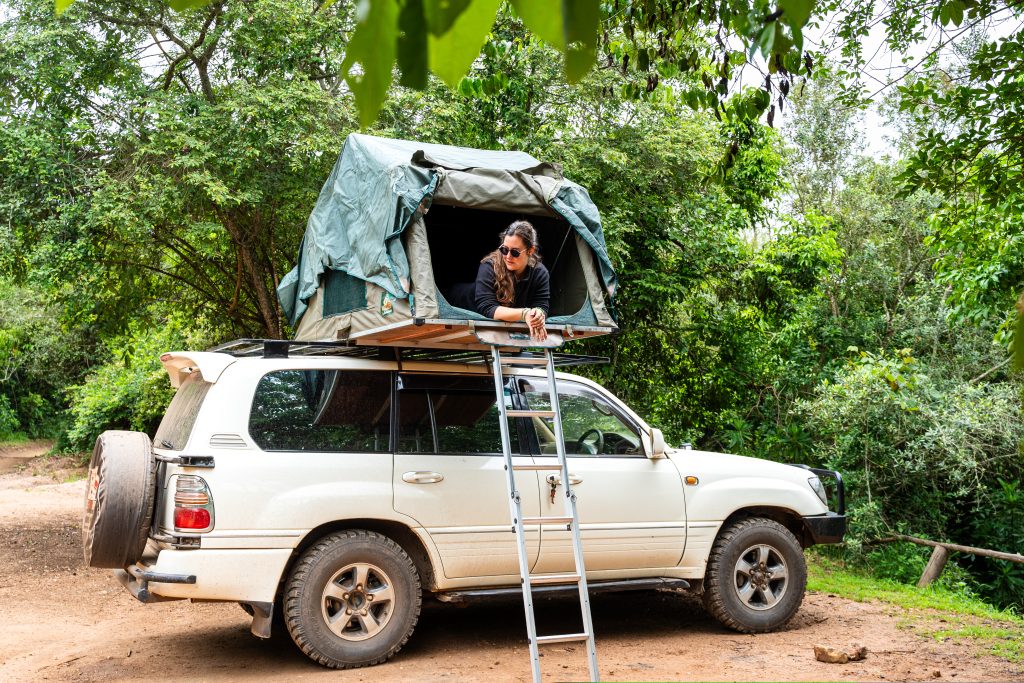
Choose the right 4×4 car rental in East Africa. A normal saloon is fine for tarmac routes, but rough park roads, steep gorilla-region tracks and rainy-season mud call for good ground clearance and often four-wheel drive. Before leaving town, check the spare tyre, jack and wheel brace, and carry a puncture repair kit.
Whether you rent or drive your own car, give it a proper once-over before you leave. Dust, heat, long climbs and corrugated tracks are hard on any engine, and a breakdown in a remote park can cost you days. Start with the engine oil: check it on flat ground with the engine cold. If it looks dark and gritty, or you’re overdue a change, do it before the trip with the grade your manufacturer recommends, and keep an eye on it every few fuel stops when the roads get dusty.
Then look at the coolant, brake fluid and power steering fluid, and peek under the car for leaks. Check the tyres including the spare, and if you’re heading to northern Uganda or northern Kenya, take two spares. Dusty roads clog air filters fast, a weak battery is a classic cause of roadside misery, and your brakes and suspension will get a workout on steep hills, speed bumps and potholes.
A service at a garage you trust before you set off is cheap peace of mind. VAG Motors can look after the servicing and inspection side, so you start your trip with one less thing to worry about.

Cross-Border Self Drive Tips for East Africa
The best way to link all four East African countries is to follow the main road corridor. Say you start in Kigali. You cross the Gatuna/Katuna border into Uganda and drive through Kabale and Mbarara to Kampala, about 510 km and nine to ten hours including the crossing. From Kampala you go through Jinja and Tororo to the Malaba border, then via Eldoret and Nakuru to Nairobi, about 690 km and eleven to thirteen hours.
Also, there’s a calmer alternative that leaves Jinja for Busia, then passes through Kisumu and Nakuru. It’s a bit slower but has fewer trucks and much nicer views of Lake Victoria. From Nairobi, the Namanga border leads to Arusha, about 275 km and five to six hours. To reach the coast, Arusha to Dar es Salaam via Moshi and Chalinze adds about 640 km. In total, Kigali to Arusha is about 1,475 km by road, and about 2,100 km if you continue to Dar es Salaam. That is the one-way corridor distance; park detours are what take a full trip to the 3,500 to 4,500 km range.
Secondly, your best direction depends on where you start your self drive from. From Rwanda, the natural order is Kigali, Kampala, Nairobi, Arusha, which ends you near the Serengeti. From Uganda, many travellers do the Western Circuit first, go on to Kigali for gorillas, return to Kampala and then head east. From Kenya or Tanzania you simply reverse the sequence. Most people fly out of the last city, so check one-way drop-off fees with your rental company, as they can be steep.
Expect slow borders on routes during your self drive in East Africa. Crossings at Malaba, Namanga and Gatuna/Katuna can take hours, especially when trucks queue. Arrive early, keep photocopies of every document, and stay patient and polite. Use only official channels for permits and insurance. People who approach you with offers to help are rarely cheaper.
Remember which side you drive on. Uganda, Kenya and Tanzania drive on the left, and Rwanda drives on the right. The switch happens at a border, when you’re tired and distracted, so slow down for the first few kilometres and let your passenger help watch for turns and junctions.
Safety Tips for Self Driving in East Africa | Uganda, Kenya, Tanzania and Rwanda
It is important to think about road safety during your self drive safaris around East Africa’s top routes. So, you may encounter busy roads in urban areas, busy commercial traffic, motorbikes, pedestrians, narrow rural roads, unexpected roadworks and wildlife crossings. Knowing what you may encounter will help you make better decisions when driving.
- First, Uganda has well-connected roads from Kampala to major cities like Jinja, Mbarara, Fort Portal, Gulu & Kabale. However, traffic can be heavy in Kampala during peak times (morning/evening), so allow plenty of time when leaving Kampala. Outside of major towns the roads can vary. Some rural roads can be bumpy, narrow and poorly lit.
- If you’re travelling to destinations like Kidepo or Lake Bunyonyi allow yourself more time, try to drive any new rural roads during the day and stay at set overnight stops. Kenya has some key roads connecting Nairobi to Mombasa, Nakuru, Narok, Nanyuki & other key areas. Major roads will have busy commercial traffic so defensive driving is key. If you’re travelling to the Maasai Mara, Tsavo or Northern Kenya there can be changes in road quality.
- When approaching the Maasai Mara the roads can be bumpier than the tarmac roads from Nairobi to Narok. Consider if your vehicle is suitable and what the weather is like.
- Tanzania has well-connected roads between Arusha, Moshi, Dar es Salaam & other key destinations. However, there can be long distances and varying road quality so don’t underestimate how long it will take. If you’re travelling to the Serengeti and other protected areas, there will be extra planning required. Due to park rules, conservation fees and internal roads.
- Rwanda is unique as all the traffic drives on the right-hand side of the road. If you’re self-driving from Uganda take your time to get used to this. Due to the hilly terrain, many roads will have steep hills and bends. Be careful with your speed.
- Across all four East African countries, you should drive responsibly. Wear your seatbelt, obey speed limits and don’t get distracted. Never drive if you’re tired.